
As the Client Relations Director at Luxurious Secret Affair, I review hundreds of portfolios every month. Your portfolio is your first impression, your marketing tool, and often the deciding factor in whether you land that dream job. Today, I'm sharing insider knowledge on building a portfolio that truly stands out.
Understanding Portfolio Purpose
Before we dive into specifics, it's crucial to understand what a modeling portfolio actually accomplishes. It's not just a collection of pretty pictures—it's a strategic marketing document that demonstrates your versatility, professionalism, and unique qualities to potential clients.
Clients look at your portfolio to answer specific questions: Can this model pull off different looks? Do they photograph well from various angles? Can they convey different emotions and energy levels? Your portfolio needs to answer these questions clearly and convincingly.
Essential Portfolio Components
A professional modeling portfolio should include several key elements:
1. The Headshot
Your headshot is arguably the most important image in your portfolio. It should be a clean, well-lit close-up that clearly shows your face without heavy makeup or dramatic styling. This image allows clients to see your natural features and imagine you in various roles.
The ideal headshot has neutral lighting, a simple background, and captures your eyes clearly. Your expression should be natural and approachable—save the dramatic looks for other portfolio shots. Hair should be pulled back or styled simply to ensure your face is the focal point.
2. Full-Body Shots
Include both casual and professional full-body images. These shots demonstrate your physique, posture, and how you carry yourself. At least one should be in simple, form-fitting clothing that shows your natural proportions without distraction.
Full-body shots should showcase different poses and angles. Include front, side, and three-quarter views. Demonstrate that you know how to position your body to create flattering lines and interesting compositions.
3. Beauty Shots
Beauty photography focuses on perfect skin, makeup, and hair. These images show how you photograph with professional styling and demonstrate your versatility with different beauty looks. Include shots with both natural and glamorous makeup to show your range.
4. Editorial Images
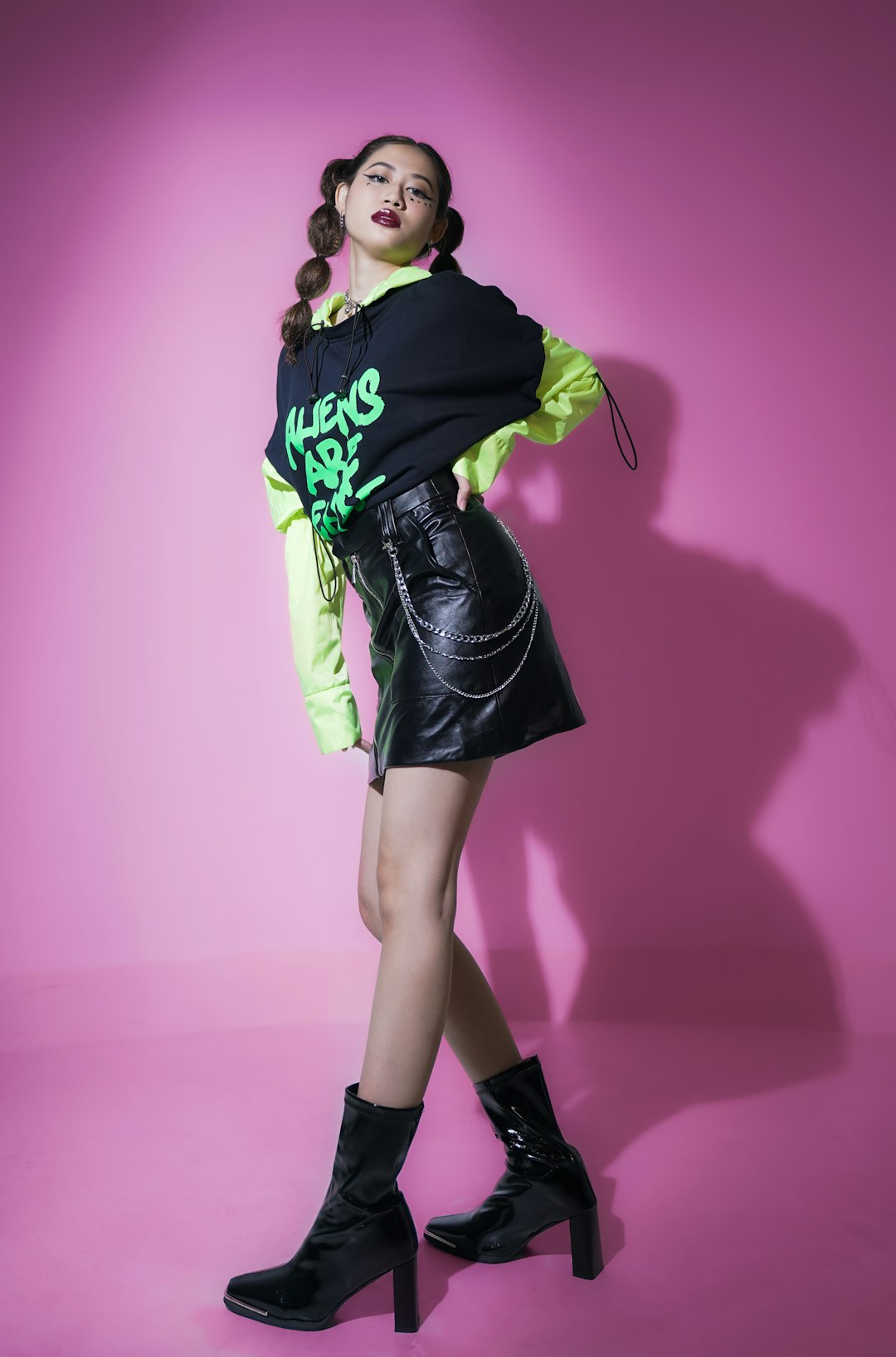
Editorial shots are more artistic and conceptual, often featuring interesting locations, creative styling, and storytelling elements. These images demonstrate your ability to work on magazine editorials and fashion campaigns.
Editorial work requires strong posing skills and the ability to convey emotion and narrative through images. Include a variety of editorial styles—from high fashion to lifestyle—to showcase your versatility.
5. Commercial Shots
Commercial images are friendly, approachable, and relatable. They show you in everyday scenarios looking happy, confident, and natural. These shots are essential for models pursuing advertising and commercial work.
Commercial images should feel genuine and authentic. Practice natural smiles and relaxed poses that make viewers feel connected to you. These images sell products by making them aspirational yet attainable.
Working with Photographers
The photographer you choose significantly impacts your portfolio quality. When starting out, consider these options:
- Test Shoots: Collaborate with emerging photographers for portfolio-building sessions. These mutually beneficial arrangements help both parties develop their portfolios.
- Photography Students: Connect with photography programs at local colleges and universities. Students often need models for projects and assignments.
- Professional Photographers: Once you have some basic images, invest in sessions with established photographers who specialize in modeling portfolios.
When working with photographers, communicate clearly about your goals and the types of images you need. Come prepared with mood boards or reference images showing the styles you want to achieve.
Styling and Wardrobe
Your wardrobe choices dramatically impact your portfolio's effectiveness. Build a versatile wardrobe for shoots including:
- Simple, fitted basics in neutral colors (black, white, grey, navy)
- Jeans or casual pants in various styles
- A professional blazer or jacket
- An elegant dress or formal outfit
- Casual wear that reflects current fashion trends
- Athletic wear if pursuing fitness modeling
Avoid busy patterns, large logos, or dated styles that might make your images look old quickly. Choose clothing that fits perfectly and flatters your body type.
Makeup and Hair Considerations
For most portfolio shots, less is more when it comes to makeup. Your natural beauty should shine through. That said, you'll want variety:
- Natural makeup that enhances your features without being obvious
- Glamorous looks that showcase how you photograph with full styling
- Different hairstyles showing versatility
If you're working without a professional makeup artist, invest time in learning basic makeup techniques for photography. Camera makeup differs from everyday makeup—it needs to be more defined to translate well in photos.
Location Selection
Where you shoot matters almost as much as how you shoot. Consider these location types:
- Studio: Clean, professional backgrounds that keep focus on you
- Urban: City streets, architecture, and modern backdrops for edgier looks
- Natural: Parks, beaches, or outdoor settings for lifestyle images
- Architectural: Interesting buildings or structures that add visual interest
Dubai offers incredible location diversity, from modern skyscrapers to beautiful beaches and desert landscapes. Use this variety to create a visually diverse portfolio.
Technical Quality Standards
All portfolio images must meet professional technical standards:
- High resolution (at least 300 DPI for print)
- Proper lighting with no harsh shadows or overexposure
- Sharp focus, especially on eyes
- Professional color correction and editing
- Appropriate cropping and composition
Avoid over-editing. While retouching is standard, your images should still look natural and realistic. Clients need to know what you actually look like—overly filtered or edited images can damage your credibility.
Digital Portfolio Presentation
In today's digital age, your online portfolio is as important as your physical book. Create a professional website or use modeling portfolio platforms to showcase your work. Your digital portfolio should:
- Load quickly with optimized images
- Work seamlessly on mobile devices
- Include your stats and contact information
- Be easy to navigate with clear categories
- Link to your professional social media profiles
Portfolio Organization and Flow
The order of images in your portfolio matters. Start with your strongest image to make an immediate impact. Vary the types of shots throughout to maintain interest. End with another strong image that leaves a lasting impression.
Group similar images together, but avoid redundancy. If two photos are very similar, choose only the stronger one. Quality always trumps quantity—a portfolio of 12-15 excellent images is far better than 30 mediocre ones.
Updating Your Portfolio
Your portfolio is a living document that should evolve with your career. Plan to update it every 3-6 months with new images. Remove older shots as you add stronger work. Stay current with industry trends and ensure your portfolio reflects contemporary styling and aesthetics.
As you gain professional experience, gradually replace test shots with actual paid work. Tearsheets from magazines, campaigns, or commercial work add credibility and demonstrate that you're a working professional.
Common Portfolio Mistakes to Avoid
Learn from others' errors:
- Including too many similar shots—variety is crucial
- Using low-quality or poorly lit images
- Excessive photo editing that creates unrealistic expectations
- Including unprofessional personal photos or selfies
- Neglecting to update regularly
- Failing to tailor your portfolio to your target market
Investment in Your Career
Building a professional portfolio requires investment—both financial and time-wise. Budget for photography sessions, wardrobe, and potentially makeup and hair styling. Consider this an investment in your career, not an expense.
However, be cautious about spending too much upfront. Start with affordable test shoots and gradually invest more as you gain experience and understanding of what works for your look and career goals.
Getting Professional Feedback
Before finalizing your portfolio, seek feedback from industry professionals. Reputable agencies like ours often offer portfolio reviews. We can provide honest, constructive feedback on which images work and which don't.
Be open to criticism and willing to make changes based on professional advice. Sometimes images we personally love aren't the most marketable choices. Trust experienced professionals who understand what clients want to see.
Final Thoughts
Your portfolio is more than a collection of photographs—it's your professional calling card and the foundation of your modeling career. Invest the time and effort to create something truly outstanding.
Remember that building the perfect portfolio is a process, not a one-time event. As you grow as a model, your portfolio will evolve to reflect your developing skills and expanding opportunities. Stay patient, stay professional, and keep striving for excellence.
At Luxurious Secret Affair, we're committed to helping aspiring models build portfolios that open doors. If you're ready to take your portfolio to the next level, we're here to guide you through every step of the process.
← Back to Blog